国際学会ICECET2026にて口頭発表を行いました(M2林) Presented research results at ICECET2026(M2 Hayashi)
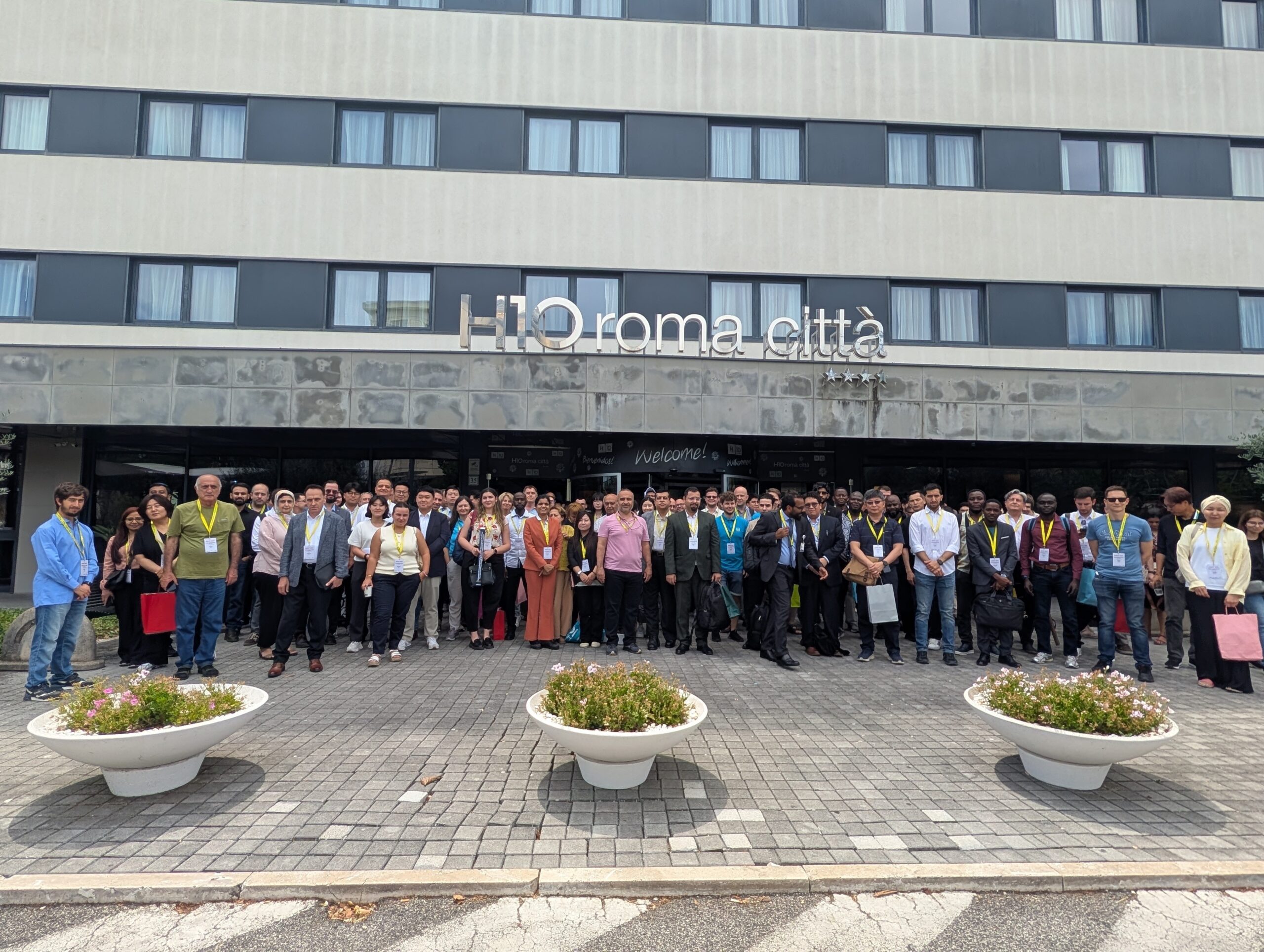
2026年7月6日~9日、イタリア・ローマでおこなれた ICECET2026において、M2林が研究発表を行いました。
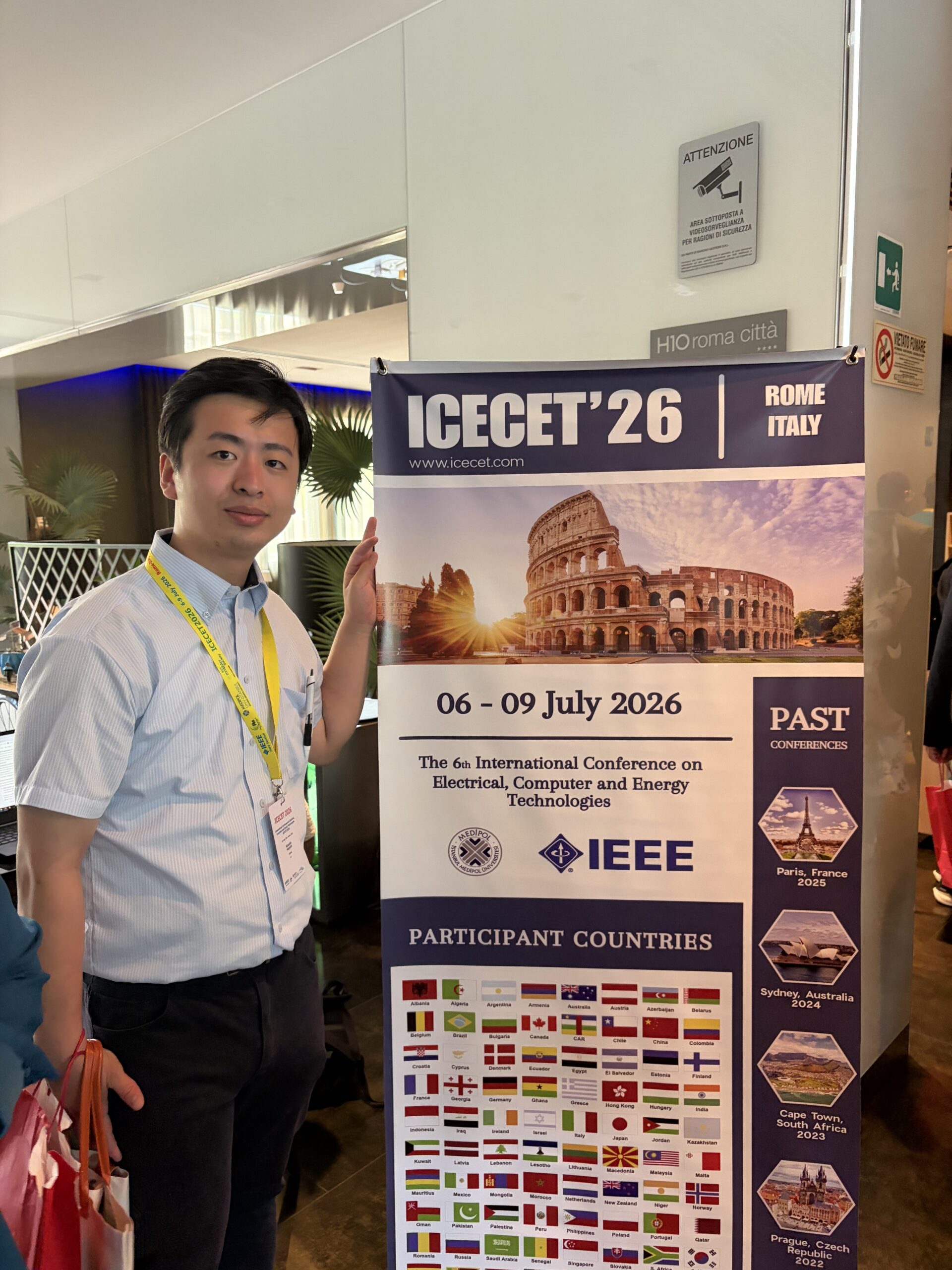
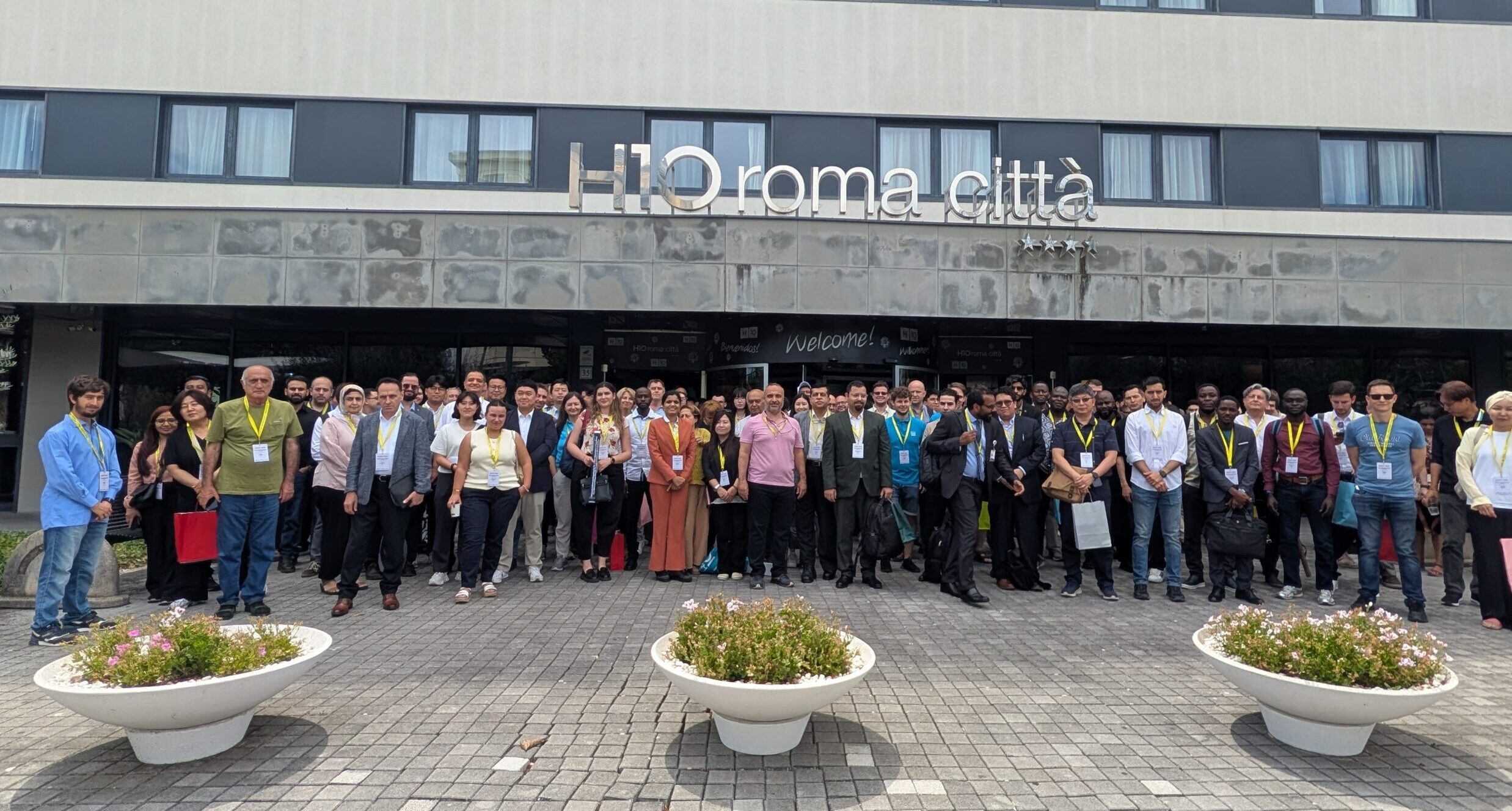
発表概要
題目:「Multi-Agent Reinforcement Learning Based Latency-Aware Hierarchical Control Enabling Electric-Vehicle Based Virtual Power Plants to Participate in Balancing Markets」
概要:電力市場の需給バランスを保つには、発電指令に迅速に対応できる柔軟な資源が必要である。電気自動車
(EV)の集合体を「電気自動車仮想発電所(EV VPP)」として運用することは、有望な手法の一つである。アグリゲーターは、
個々のEVユーザーの充電需要を満たしつつ、発電指令に追従できるよう、EV充電器の総出力を制御しなければならない。従来の集中型最適化手法は、高い追従性能を達成できる。しかし、これらはグローバルな情報に依存し、大規模な最適化問題の解を必要とするため、高い
計算および通信負荷を伴い、スケーラビリティが制限される。
この問題に対処するため、本論文では、マルチエージェント深層決定論的ポリシー勾配(MADDPG)アルゴリズムに基づく2階層の階層的制御スキームを提案する。上位階層では、各充電ステーションをエージェントとしてモデル化し、下位階層ではその
ポリシーが個々のEV充電器に充電・放電電力を割り当てる。実行時、各ステーションレベルのエージェントは、局所的な
観測値とブロードキャストされたディスパッチ信号のみを使用する。本論文では、日本のバランス市場におけるセカンダリー2(S2)商品への参加に関するケーススタディを提示する。本研究では、5つのステーションと合計50台のレベル2充電器で構成されるEV VPP
において、本制御器を評価した。
提案手法は、ディスパッチ値を中心とする許容追従誤差帯内で、97パーセントのディスパッチ追従率(市場で定義された追従誤差帯内に
総電力が収まるディスパッチ区間の割合)を達成した。
感想
多くの参加者が私の発表に耳を傾けてくださり、厳しくも非常に的確で価値のある質問を複数いただきました。英語での発信や聞き取りは、普段の半分ほどの効率になってしまいましたが、それでも非常に多くのことを学ぶことができました。
特に、自分の論文でも扱った“decentralized”と“multi-objective”が世界でも活発に議論されていることを知り、今後の研究者としてのキャリアの道筋が見えたように感じたことが、最も大きな収穫でした。
また、他の参加者の研究に対する真摯な姿勢や、プレゼンテーションの質、議論を深める質疑応答に感心すると同時に、世界との差を感じる部分もありました。総じて多くの刺激と学びを得ることができ、非常に有意義な時間となりました
イタリア観光
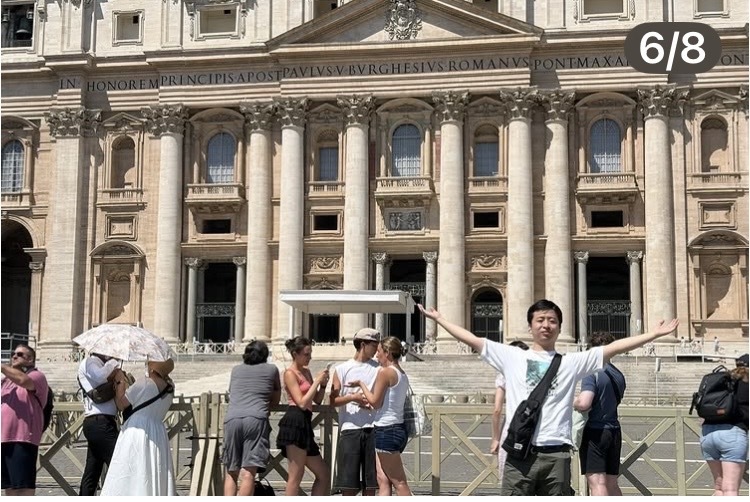
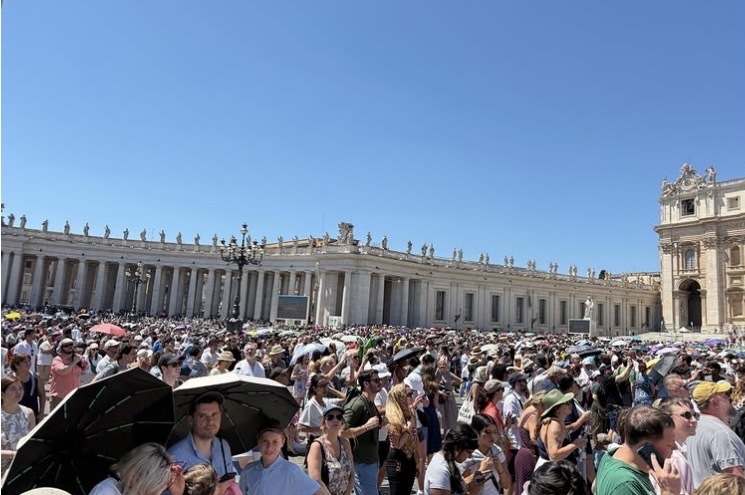
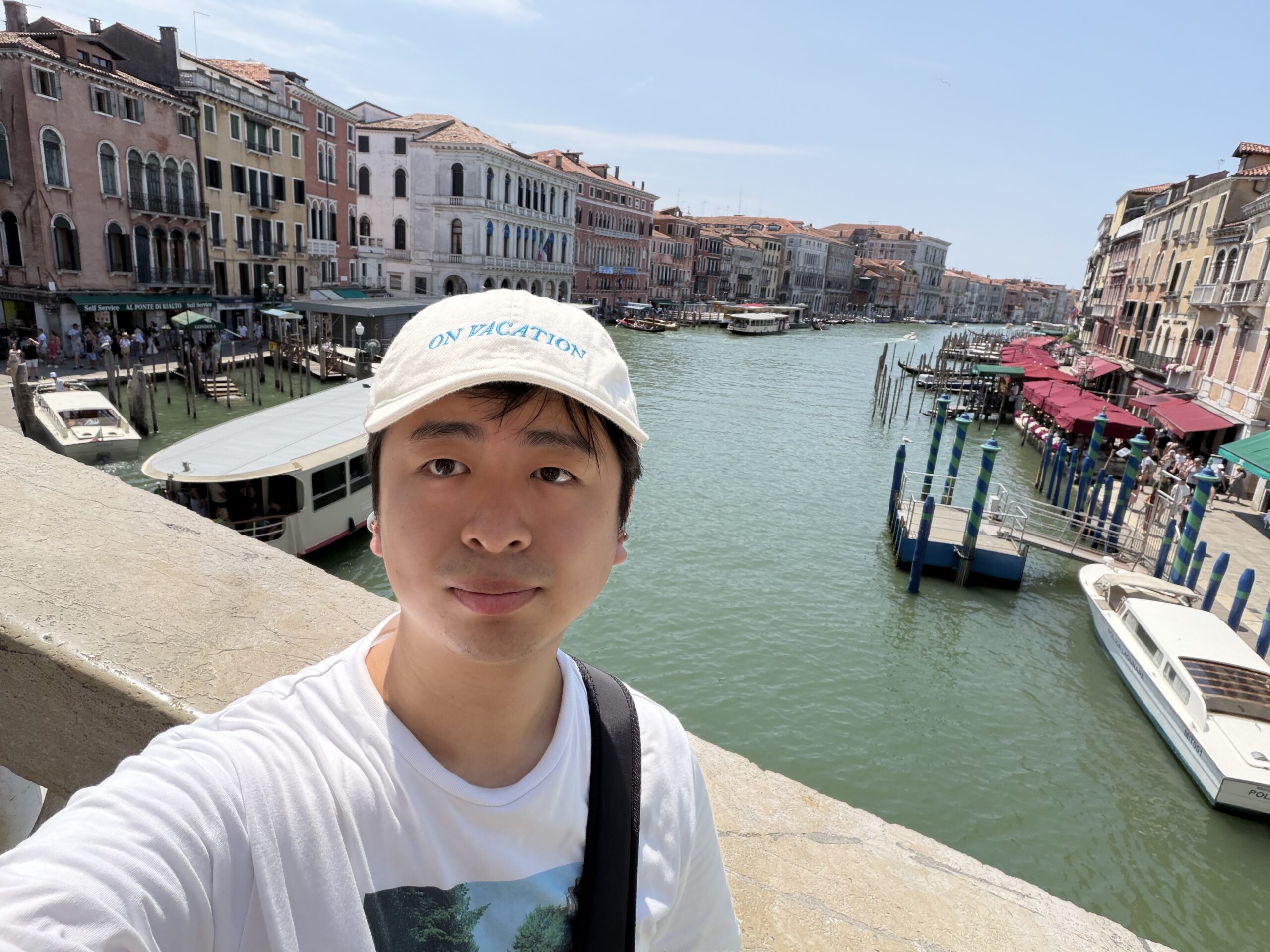
バチカンでは、ちょうど日曜日の正午に教皇の姿を見ることができ、広場には驚くほど多くの人が集まっていました。ヴェネツィアでは、異国情緒あふれる街並みや歴史的な建築を満喫しました。
Presentation Summary:
Abstract—Balancing markets require flexible resources that can promptly follow dispatch signals. Aggregated fleets of electric vehicles (EVs) operated as electric-vehicle virtual power plants(EV VPPs) are promising candidates. Aggregators must control the total power of EV chargers to track dispatch signals while satisfying individual EV users’ charging demands. Conventional centralized optimization methods can achieve high tracking per- formance. However, they rely on global information and require solving large-scale optimization problems, which impose high computational and communication burdens and limit scalability.
To address this issue, this paper proposes a two-level hierarchical control scheme based on the Multi-Agent Deep Deterministic Policy Gradient (MADDPG) algorithm. At the upper level, each charging station is modeled as an agent, and at the lower level its policy allocates charging and discharging power to the individual EV chargers. At runtime, each station-level agent uses only local observations and the broadcast dispatch signal. We present a case study on participation in Japan’s balancing market Secondary 2 (S2) product.
The study evaluates the controller on an EV VPP consisting of five stations with a total of 50 Level 2 chargers. The proposed method achieves a dispatch tracking rate (fraction of dispatch intervals with aggregate power inside the market-defined tracking error band) of 97 percent within the allowable tracking error band around the disp.
Feedback
Many participants listened to my presentation, and I received several challenging yet highly insightful and valuable questions. Although my ability to speak and understand English was only about half as efficient as usual, I was still able to learn a great deal. In particular, my greatest takeaway was learning that the concepts of “decentralized” and “multi-objective”—which I also addressed in my thesis—are the subject of active global debate; this made me feel as though I could see a clear path forward for my future career as a researcher. Furthermore, while I was impressed by the other participants’ earnest approach to their research, the quality of their presentations, and the in-depth Q&A sessions that deepened the discussions, I also sensed areas where we still lag behind the global standard. Overall, it was a highly stimulating and educational experience, and I found the time spent there to be extremely meaningful.
Sightseeing in Italy
At the Vatican, I was able to catch a glimpse of the Pope right at noon on Sunday, and an astonishingly large crowd had gathered in the square. In Venice, I thoroughly enjoyed the exotic streetscapes and historic architecture.